


Water Softener Plant Manufacturer in Delhi
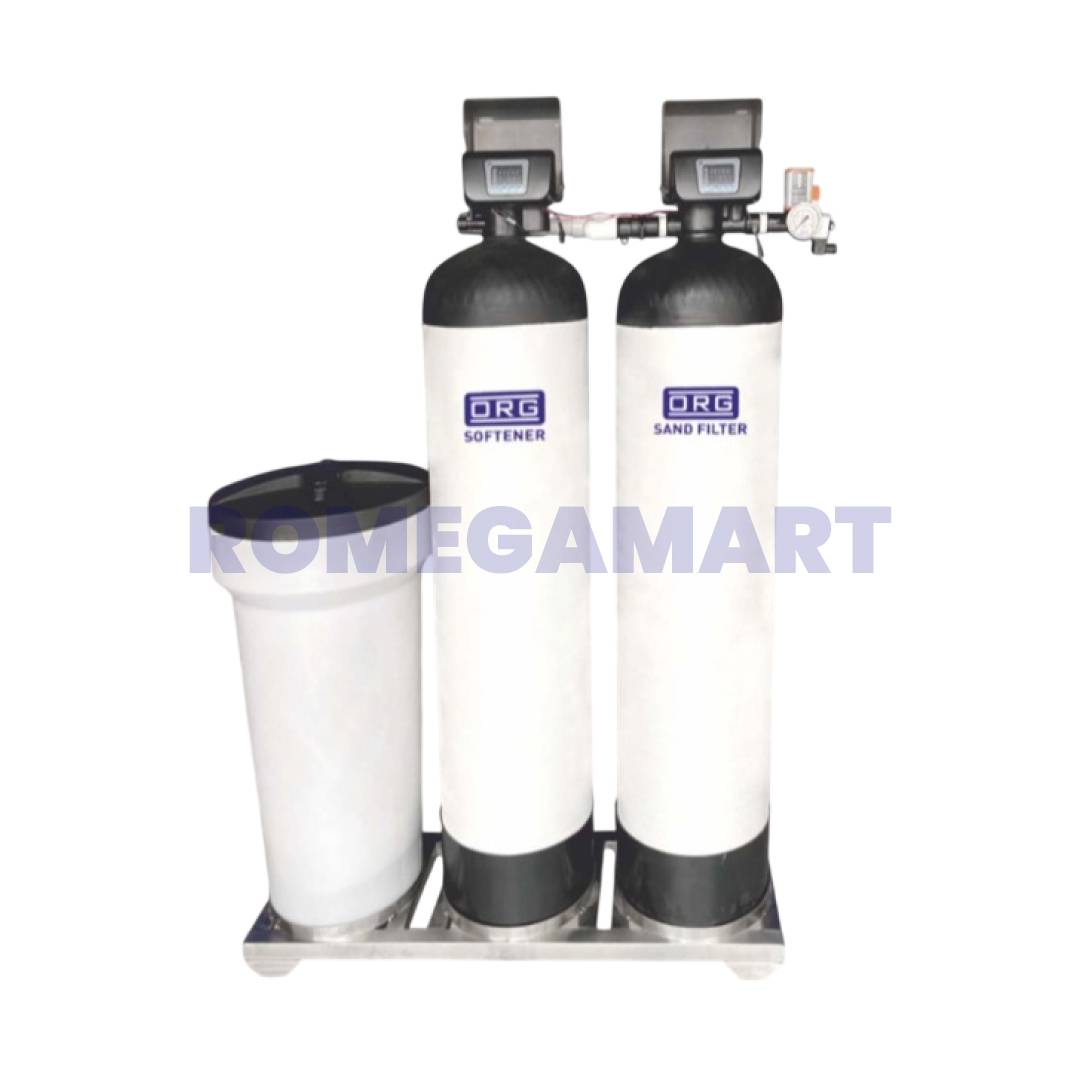
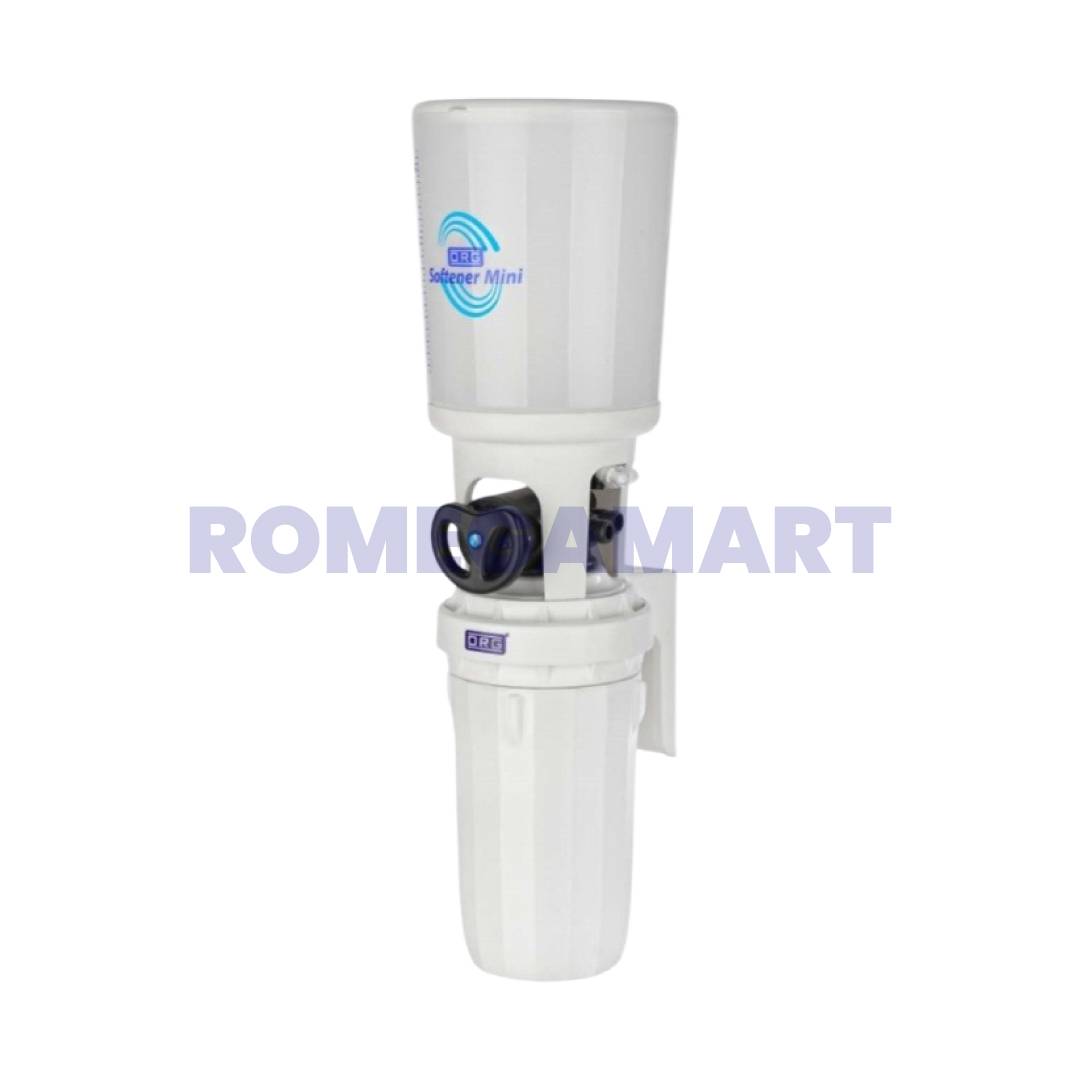
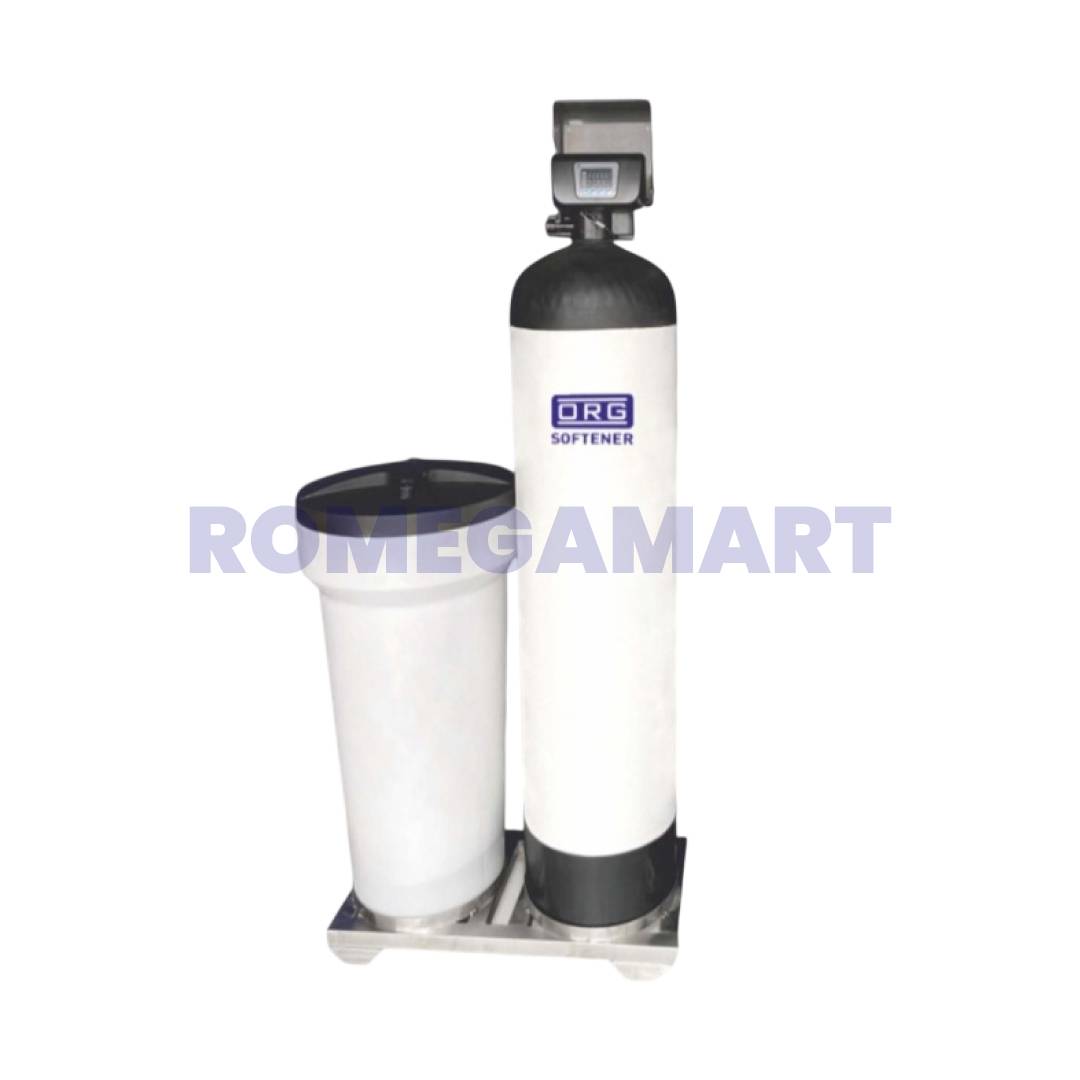
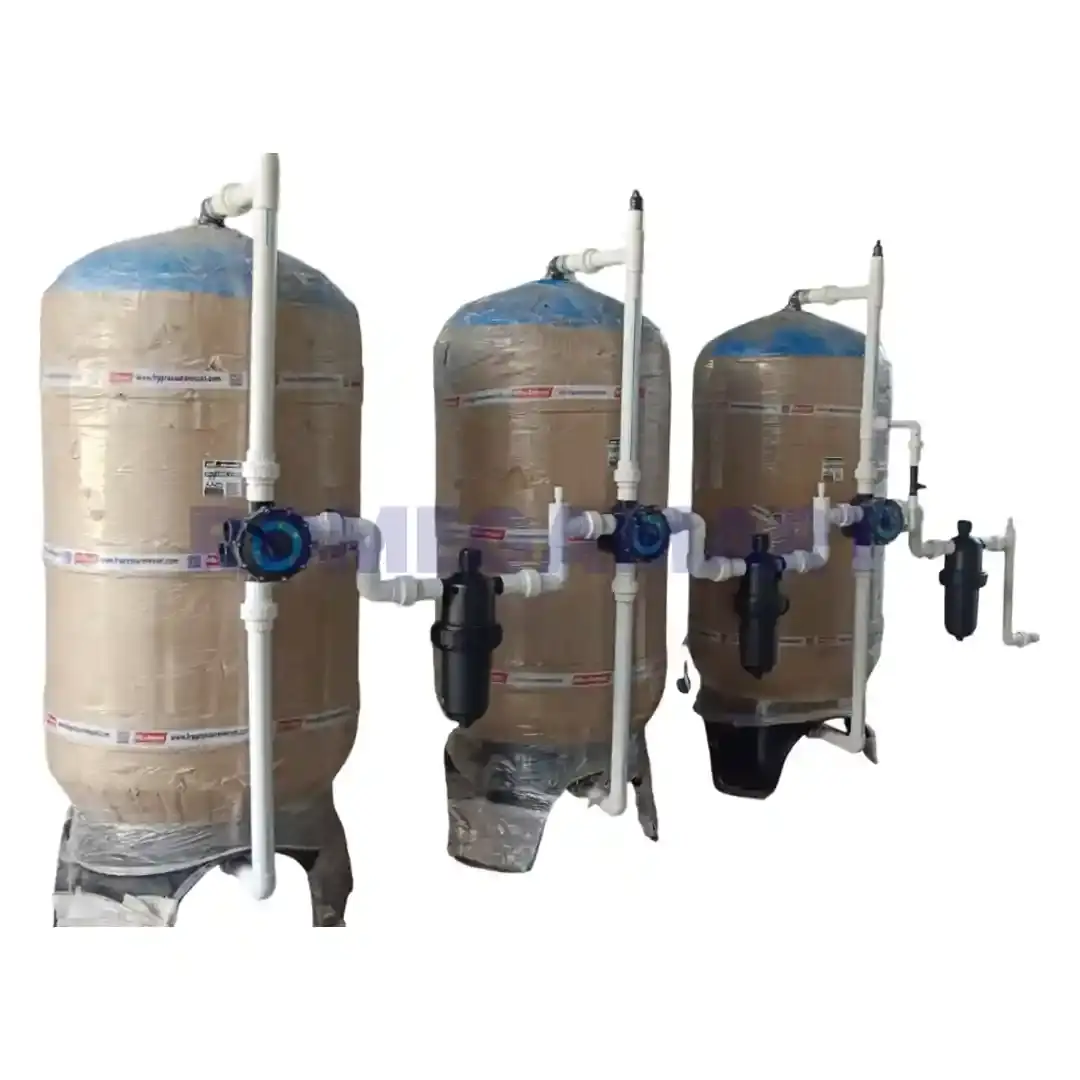
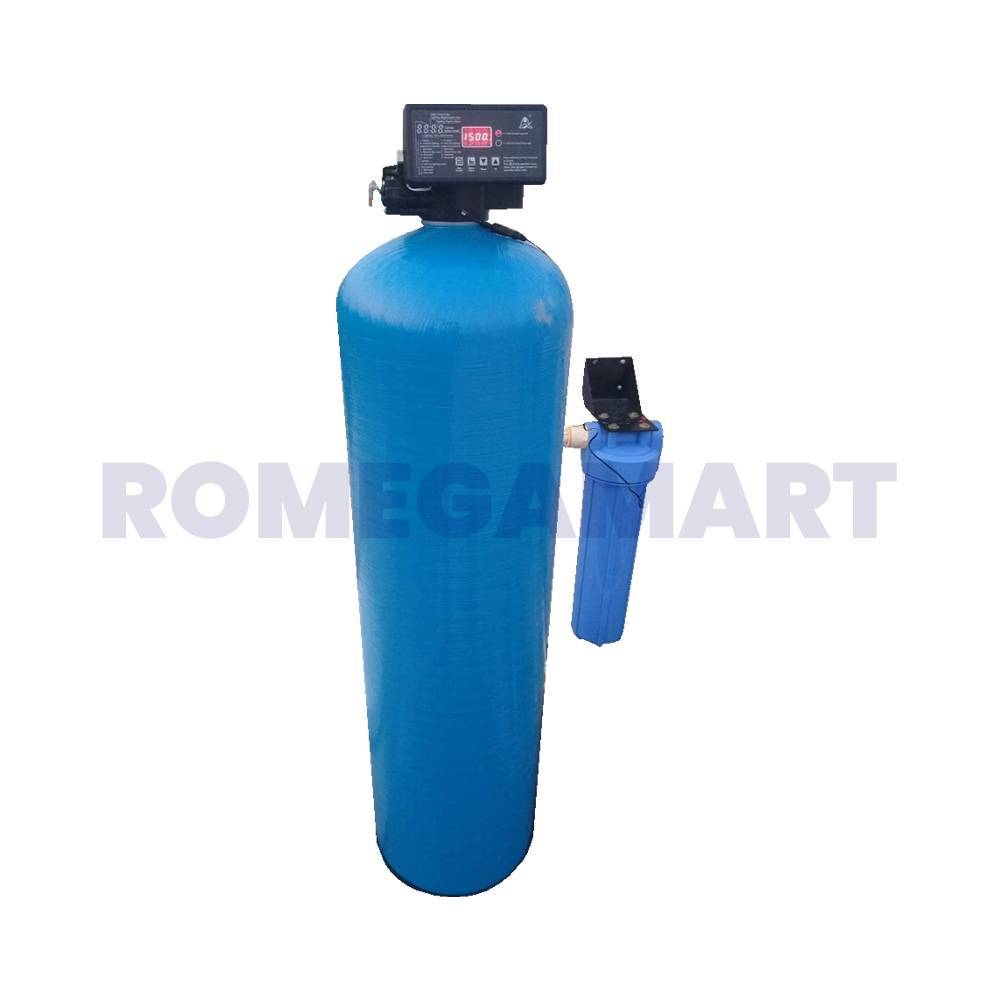


Industrial Water Softener Manufacturer – Direct B2B Procurement Solutions
Hard water is one of the biggest silent profit-killers in industrial operations. When untreated water carrying high concentrations of calcium and magnesium runs through your facility, it leaves behind stubborn mineral scale. Over time, this scaling clogs pipes, reduces heat transfer in boilers, ruins cooling towers, and damages expensive RO membranes—costing your business thousands in high energy bills and unexpected downtime.
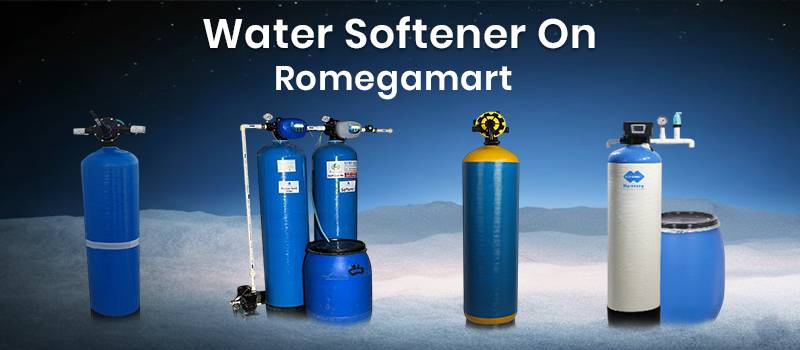
As India’s dedicated B2B marketplace for the water treatment sector, Romegamart connects you directly with leading Industrial Water Softener Manufacturers, suppliers, and distributors across the country. Whether you need a compact system for a hotel or a custom high-flow industrial plant built for heavy manufacturing, our platform lets you compare technical specs, request direct quotes, and buy in bulk at wholesale rates.
What Does an Industrial Water Softener Do?
An industrial water softener is a heavy-duty hard water treatment plant built to process high volumes of water continuously. Using time-tested ion exchange technology, these systems swap scale-forming calcium (Ca2+) and magnesium (Mg2+) ions for soluble sodium (Na+) or potassium (K+) ions.
The result? Pure, softened water that protects your downstream equipment, improves chemical performance, and keeps your operational utilities running at peak thermal efficiency.
How the Softening Process Works
-
Raw Water Entry: Hard water enters the high-pressure vessel through a top distributor.
-
Ion Exchange: Water flows through a dense bed of high-grade food/industrial-class cation exchange resin. Hardness minerals bind to the resin, releasing sodium ions in return.
-
Soft Water Supply: Clean, soft water is directed straight to your production line, boiler feed tanks, or storage units.
-
Resin Regeneration: Once the resin bed becomes saturated with calcium and magnesium, the system flushes itself with a concentrated salt (brine) solution to recharge the resin for the next cycle.
Choosing the Right System Configuration
Every facility operates differently. Depending on your water usage patterns and workforce availability, manufacturers on Romegamart offer multiple control modes:
Water Softener Capacities Available
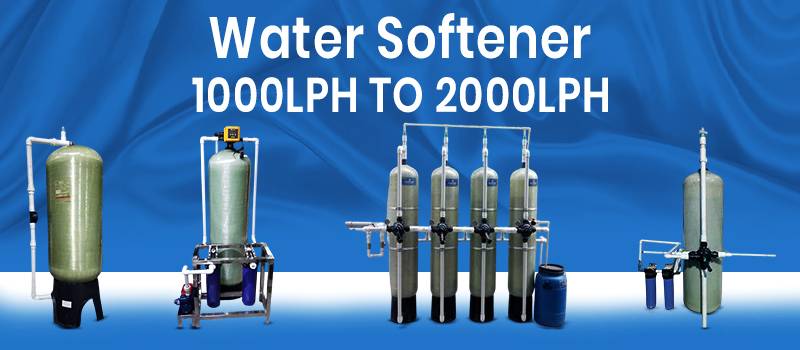
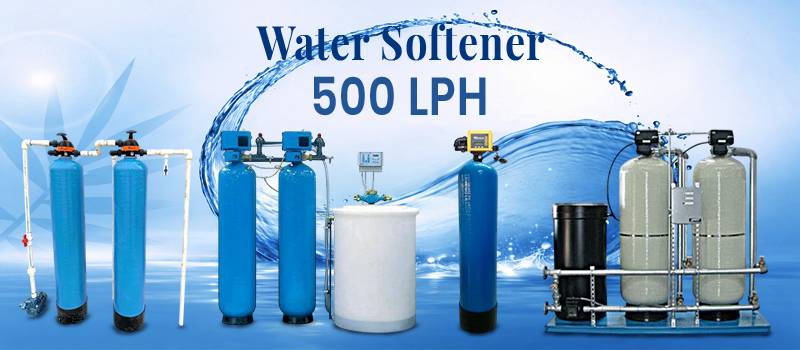
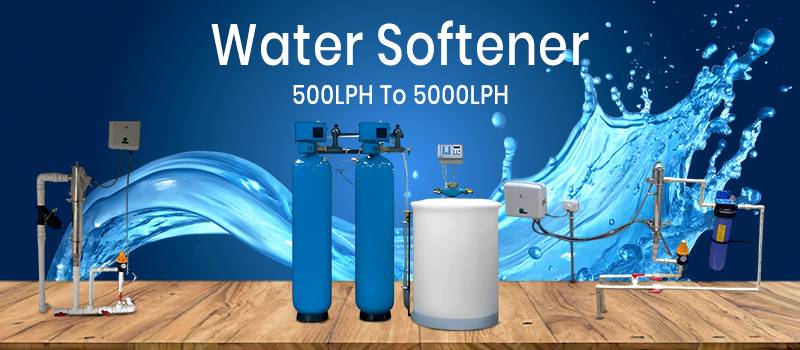
Romegamart offers Water Softener Systems in multiple capacities, including:
-
Custom Industrial Water Softener Systems
These systems are suitable for different commercial and industrial water consumption requirements.
Available Standard Capacities Recommended for
Industrial water softener plants are sized based on maximum flow rate (Liters Per Hour / LPH) and raw water hardness levels. Standard capacities available through our verified sellers include:
-
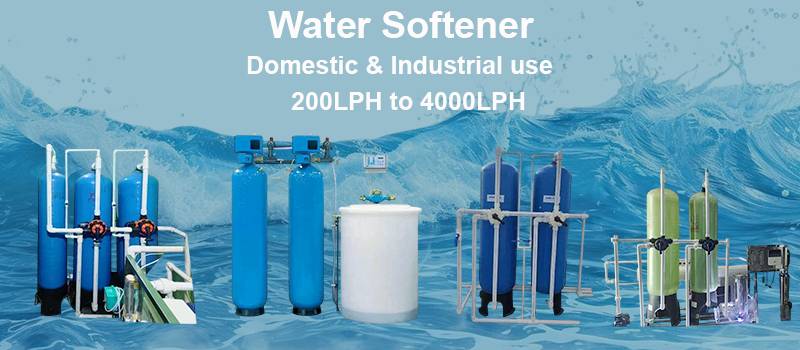
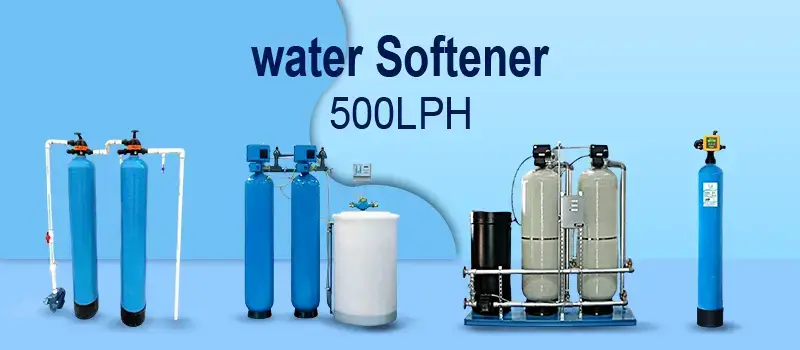
200 – 500 LPH: Ideal for cafes, small restaurants, commercial kitchens, and boutique laundries.
-
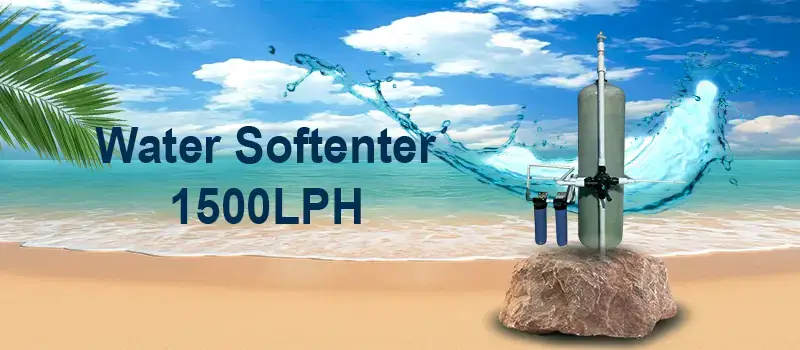
1,000 – 1,500 LPH: Built for hotels, multi-story office complexes, hospitals, and educational campuses.
-
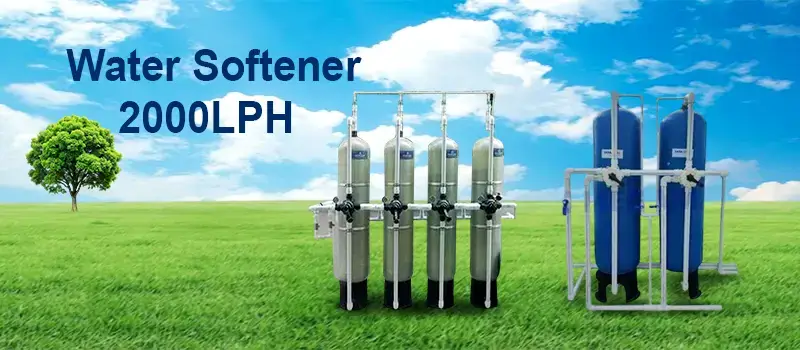
2,000 – 3,000 LPH: Formulated for textile processing, pharmaceuticals, food & beverage units, and commercial RO pre-treatment.
-
3,000+ LPH (Customized): Large-scale industrial plants engineered for power plants, heavy chemical units, and continuous production factories.
Built for Demanding Environments: Technical Features
When you source from an Industrial Water Softener Manufacturer on Romegamart, you get access to industrial-grade components designed to withstand harsh operating environments:
-
Corrosion-Proof Pressure Vessels: Choose between lightweight, non-corrosive FRP (Fiberglass Reinforced Plastic) or high-durability Stainless Steel (SS304/SS316) vessels.
-
Premium Cation Resin: High-exchange capacity resin that lasts longer and uses less salt per regeneration cycle.
-
Advanced Multi-Port Control Valves: Reliable automatic multi-port valves that simplify backwashing and reduce human error.
-
Integrated Brine Tanks: Heavy-duty HDPE salt tanks built for smooth, lump-free brine suction.
-
Low Energy Consumption: Operates on normal line pressure, keeping overall power consumption minimal.
Business Benefits: Why Invest in Industrial Water Softening?
-
Extends Machinery Lifespan: Eliminates heavy scaling inside boilers, heat exchangers, cooling towers, and industrial plumbing.
-
Protects RO Systems: Serves as an ideal pre-treatment stage to prevent mineral scaling on expensive Reverse Osmosis membranes.
-
Saves on Energy & Fuel: A thin 1mm layer of scale inside boiler tubes can increase fuel consumption by up to 10%. Soft water keeps heat transfer surfaces clean.
-
Reduces Chemical & Soap Usage: Industrial laundries and textile units save up to 30% on detergent and process chemicals when using softened water.
Key Industries We Serve
The industrial water softeners listed on Romegamart are actively used across diverse sectors:
-
Boiler Feed Water & Cooling Tower Maintenance
-
Pharmaceutical & Chemical Production
-
Textile Dyeing & Processing Plants
-
Food & Beverage Manufacturing
-
Hotels, Resorts, & Commercial Laundries
-
Pre-Treatment for Commercial & Industrial RO Plants
Why Source Your Industrial Water Softeners on Romegamart?
Finding a reliable manufacturer can be time-consuming. Romegamart simplifies B2B sourcing by putting verified sellers, transparent pricing, and nationwide logistical coverage under one roof.
-
Verified Manufacturers & Wholesalers: Source directly from trusted companies with proven quality standards.
-
Direct Factory Rates: Cut out middleman markups and get bulk, wholesale pricing directly from suppliers.
-
Nationwide Logistics Support: Seamless inquiry processing and shipment delivery across all industrial hubs in India.
-
Custom Engineering: Connect directly with manufacturers to customize vessel sizes, flow rates, and automation levels according to your raw water test report.
Frequently Asked Questions (FAQs)
How do I determine the right industrial water softener capacity for my facility?
To choose the correct capacity, you need three pieces of information:
-
Your raw water hardness level (measured in PPM or mg/L).
-
Your peak flow rate requirement in Liters Per Hour (LPH).
-
Total daily water demand.
Manufacturers on Romegamart can analyze your water test report and recommend the exact vessel volume and resin quantity required.
Does an industrial water softener reduce TDS?
No. Water softeners use an ion-exchange process to replace hardness minerals (calcium and magnesium) with sodium. While it removes hardness, the overall Total Dissolved Solids (TDS) level remains roughly the same. If you need to lower TDS, you will require an Industrial RO (Reverse Osmosis) plant.
Why should a water softener be installed before an RO plant?
Calcium and magnesium in hard water precipitate onto delicate RO membranes, causing rapid scaling and membrane failure. Installing a water softener upstream removes these minerals, dramatically extending the life of your RO membranes.
What maintenance is required for an industrial water softener?
Routine maintenance is minimal:
-
Regularly top up industrial-grade salt in the brine tank.
-
Ensure backwash and regeneration cycles run on schedule.
-
Periodically test output water hardness using a basic hardness test kit.
-
Replace or clean the resin bed as recommended by the manufacturer (typically every 3 to 5 years depending on raw water quality).