


Frequently Asked Questions About Solenoid Valve Pricing
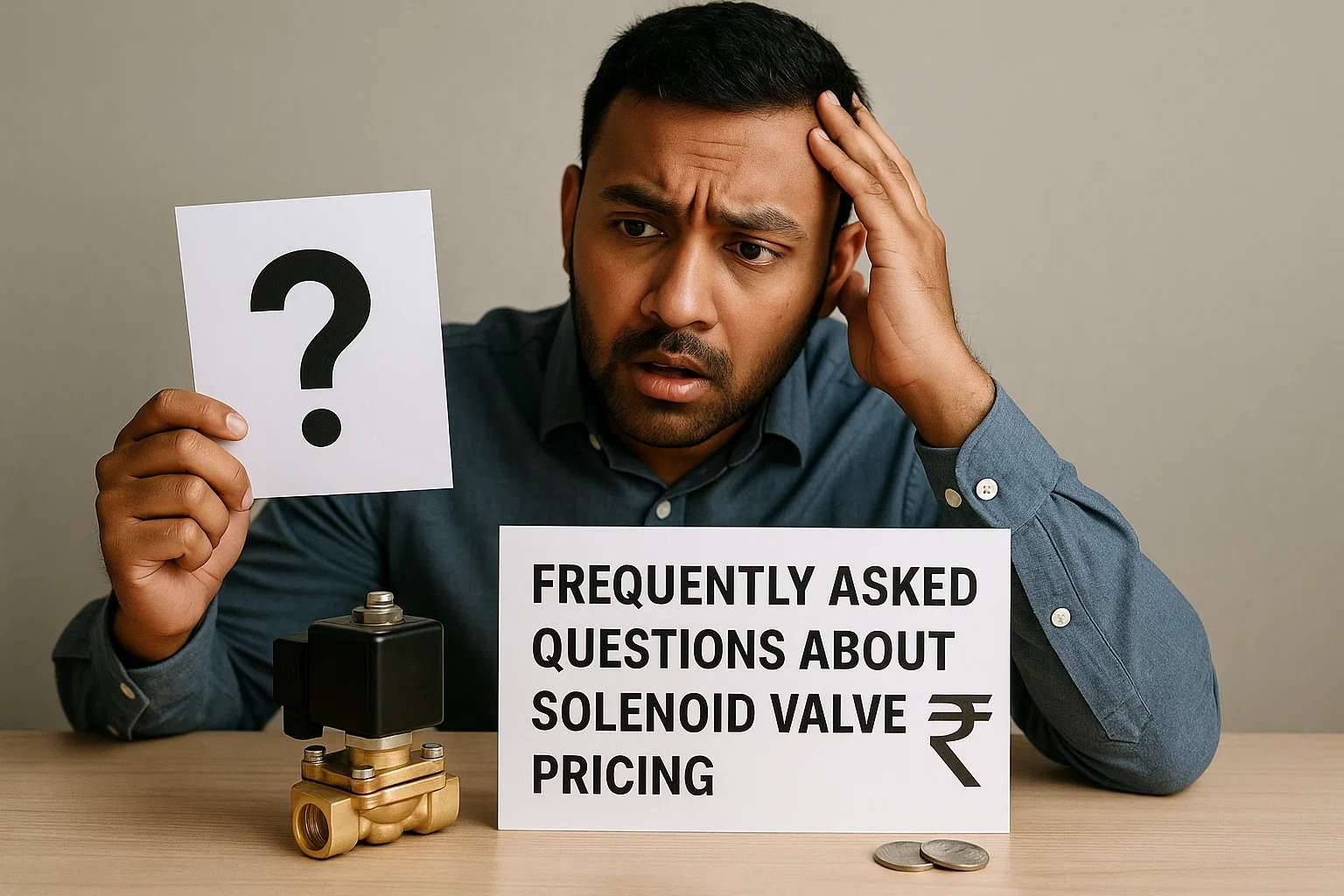
Whether you're a water purifier technician, an OEM buyer, or a commercial equipment supplier, understanding solenoid valve cost is key to making informed procurement decisions. Despite being a small component, a solenoid valve plays a pivotal role in RO systems, industrial water purification units, and automation processes.
In this detailed guide, we’ll answer the most common questions about solenoid valve price FAQ queries from the water purification and RO industry. This blog is optimized for clarity, long-tail keyword relevance, and actionable value — helping you make better purchasing decisions.
What is a Solenoid Valve and Why Is It Important?
A solenoid valve is an electromechanical device that controls the flow of liquids or gases using an electromagnetic solenoid. In RO and water purifier systems, solenoid valves are used to control inlet water, flush cycles, or reject lines.
The quality, material, and type of solenoid valve directly affect system reliability, pressure regulation, and safety — which is why even a small cost variation can be significant depending on your application.
1. What Factors Affect the Solenoid Valve Cost?
✅ 1.1. Valve Type (Normally Open vs Normally Closed)
-
Normally Closed (NC): Remains shut when de-energized; opens with power.
-
Normally Open (NO): Remains open when de-energized; shuts with power.
NC valves are more common in RO systems, and their price range is generally lower due to higher production volume.
✅ 1.2. Coil Voltage (12V, 24V, 220V)
Different coil voltages impact pricing slightly. 12V and 24V DC coils are common in domestic systems and cost less than industrial-grade 220V AC versions.
✅ 1.3. Port Size and Flow Rate
The larger the port size (e.g., 1/4", 3/8", 1/2"), the higher the price due to increased material use and flow rate handling.
✅ 1.4. Material Used
-
Plastic-bodied solenoids are economical and used in domestic RO systems.
-
Brass or stainless-steel bodies are more expensive but necessary for commercial or industrial systems.
✅ 1.5. Brand and OEM Quality
High-quality brands offer better durability, especially under high pressure or long operation cycles. These usually come at a premium solenoid valve price but provide long-term ROI.
2. What Is the Typical Solenoid Valve Price Range in India?
The solenoid valve cost in India varies depending on application and quality. Here's a general estimate:
| Type | Approximate Price (INR) |
|---|---|
| Domestic RO Solenoid Valve (DC) | ₹70 – ₹150 |
| Industrial Solenoid Valve (Brass) | ₹400 – ₹1,200 |
| Stainless Steel Solenoid Valve | ₹1,500 – ₹3,000 |
| High Flow Commercial Valves | ₹3,000 – ₹6,000 |
For latest listings and bulk rates, you can browse our Solenoid Valve Price page to compare multiple vendors and models.
3. Why Do Prices Vary So Much Between Brands?
-
Local or unbranded valves: Lower price, but inconsistent performance.
-
Branded/OEM valves: Higher initial cost but better longevity, warranty support, and consistent pressure handling.
Pro tip: While comparing solenoid valve price, always check product ratings, warranty terms, and coil certifications (CE, ISO).
4. Does Buying in Bulk Reduce Solenoid Valve Cost?
Yes. B2B buyers, dealers, and OEM suppliers often get:
-
Bulk pricing discounts
-
Custom packaging options
-
Direct manufacturer support
If you're sourcing valves for resale or integration, platforms with vendor aggregation help reduce your per-unit solenoid valve cost significantly.
5. Are Imported Solenoid Valves More Expensive?
Not always. Many imported solenoid valves from China, Taiwan, and Korea are price-competitive due to mass production. However, customs duty, shipping, and lead times must be considered.
Imported valves may also lack spares availability in India, raising long-term servicing costs.
6. Which Applications Use Low-Cost Solenoid Valves?
-
Domestic RO purifiers
-
Coffee vending machines
-
Water dispensers
-
Small aquaguard-type systems
These applications generally use plastic-body solenoids with 12V DC coils and cost under ₹150 per unit.
7. Which Applications Require High-End Solenoid Valves?
-
Industrial RO plants
-
ZLD (Zero Liquid Discharge) units
-
Commercial car wash systems
-
ETP/STP plants
These need metal-body valves with high durability, pressure resistance, and often AC coil support. Prices go up with durability and material quality.
8. Is It Better to Buy Solenoid Valves Online or Offline?
Online platforms offer better visibility into pricing, specifications, vendor reputation, and inventory availability. They also support:
-
Easier comparison
-
Transparent pricing
-
Centralized support
Offline buying may offer in-person service but often lacks the price transparency of a centralized platform listing Solenoid Valve Price across multiple sellers.
9. What Certifications Should a Good Solenoid Valve Have?
For industrial and B2B applications, always check for:
-
CE certification
-
ISO 9001 or ISO 14001
-
Food-grade or RO-compliance (for water-related use)
These affect both quality and regulatory approval for large-scale usage.
10. How Often Should Solenoid Valves Be Replaced?
Depending on usage and water quality:
-
Domestic RO valves: 1–2 years
-
Industrial valves: 3–5 years
-
High-end valves: Up to 10 years with proper maintenance
Timely replacement ensures flow control, prevents leaks, and maintains the integrity of your RO system.
11. Can I Repair a Solenoid Valve Instead of Replacing It?
Sometimes. Common repairs include:
-
Replacing the coil
-
Cleaning the diaphragm
-
Changing O-rings
However, for valves under ₹200, replacement is usually more cost-effective. For high-value valves, service kits and spare parts are available — often listed along with the solenoid valve price.
12. Are Universal Solenoid Valves Reliable?
Universal solenoids are made to fit various brands but may compromise on:
-
Coil fitment
-
Flow rate
-
Longevity
Always check voltage, thread size, and flow specs before buying a “universal” option.
13. What Are Signs That a Solenoid Valve Needs Replacement?
-
Inconsistent water flow
-
Loud buzzing noise from coil
-
Valve stuck in open/closed position
-
Overheating or leakage
Don’t ignore these — delayed replacement could damage your RO membrane or pumps.
14. How Do I Choose the Right Solenoid Valve for My System?
Checklist before buying:
-
Voltage (12V DC, 24V DC, 220V AC)
-
Inlet/outlet size (usually 1/4", 3/8", 1/2")
-
Operating pressure (check pump rating)
-
Flow rate (LPM)
-
Material (plastic, brass, SS)
Visit the Solenoid Valve Price category to filter by specs, vendor, and price.
15. Can Solenoid Valves Be Used in Hot Water or Chemical Applications?
Not all. For hot water or chemical usage:
-
Use high-temperature resistant coils
-
Check for chemical-resistant diaphragms
-
Stainless steel or PTFE-lined valves are preferred
These options are priced higher but offer safety and durability under extreme conditions.
16. How Do I Avoid Fake or Counterfeit Solenoid Valves?
Tips:
-
Buy from verified B2B vendors
-
Avoid deals that seem too good to be true
-
Check coil branding and spelling
-
Ask for GST invoice and warranty
Reliable sourcing improves your solenoid valve cost-to-performance ratio in the long run.
17. What Is the Lifecycle Cost of a Solenoid Valve?
While initial solenoid valve price matters, total lifecycle cost includes:
-
Energy usage
-
Replacement frequency
-
Downtime cost due to failure
Choosing a better-built valve reduces maintenance cost and extends uptime — critical for B2B setups or production lines.
18. Are There Any Smart or IoT-Based Solenoid Valves Available?
Yes. Smart solenoids are now being integrated into:
-
Remote water monitoring systems
-
Agricultural automation
-
Smart RO and industrial control systems
They come with higher upfront solenoid valve cost but provide data logging, failure alerts, and automation benefits.
Conclusion: Be Price-Smart, Not Price-Obsessed
Solenoid valves are small but vital components in any water purification system. Whether you're buying for a home RO unit or scaling procurement for an industrial facility, understanding what drives solenoid valve price is essential to long-term operational efficiency.
To explore a wide range of options, compare bulk rates, and discover new OEM suppliers, check out our full Solenoid Valve Price listings.